
Lessons from Lego
I recently read about Lego’s turnaround in the early 2000s. At the time, the company was losing nearly $1 million a day. Warehouses were overflowing, costs were out of control, and even billion-dollar franchises like Star Wars and Harry Potter couldn’t save them.
When Jørgen Vig Knudstorp became CEO, he made bold moves. He cut Lego’s unique bricks from nearly 12,000 to less than 7,000, slashed development cycles, sold off distractions like theme parks and clothing lines, and focused the business back on the core brick. Within five years, Lego went from near bankruptcy to becoming the #1 toy company in the world.
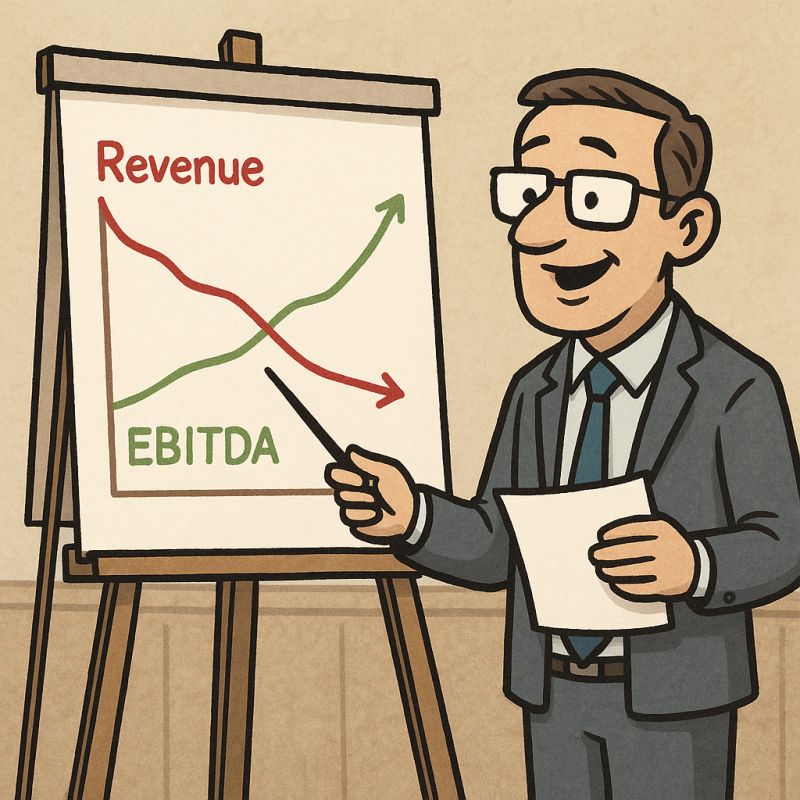
That story stuck with me because I have lived smaller-scale versions of it as a CFO. At one company, I began the discussion that ended with us cutting 75% of SKUs in a product line, which increased profitability by 200%. At another, I dove deep into the bills of materials and found that many hadn’t been updated since the inception of the SKU. We were selling products at a loss without realizing it. Fixing the pricing alone improved gross profit for the entire company by 3%.
Turnarounds are just value creation with higher stakes. If a company is thriving, our job is to find ways to make it better. If a company is struggling, our job is to find the path that makes it better.